Conference on “COP29 and Culture: Cultural Dimensions of Climate Change”
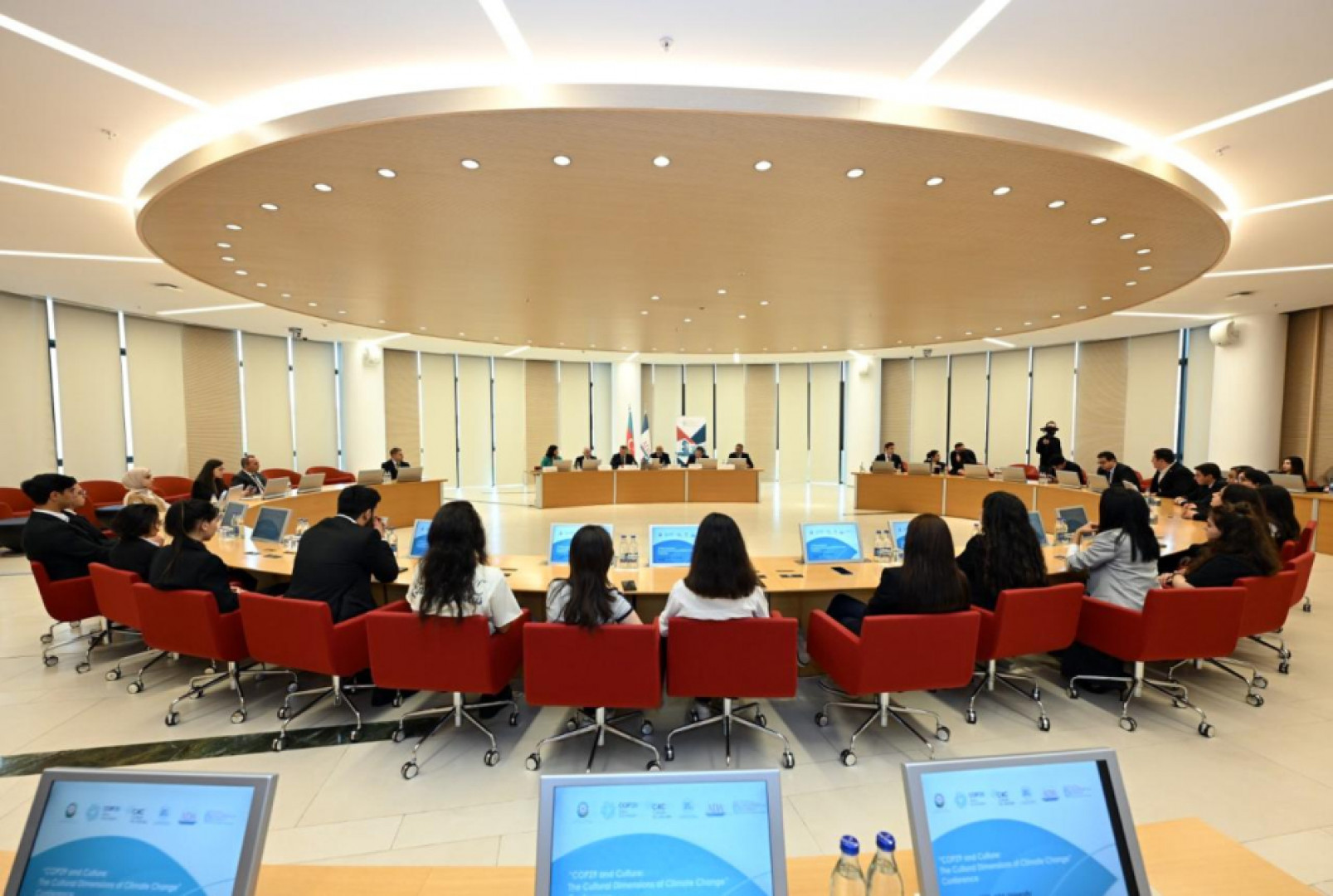
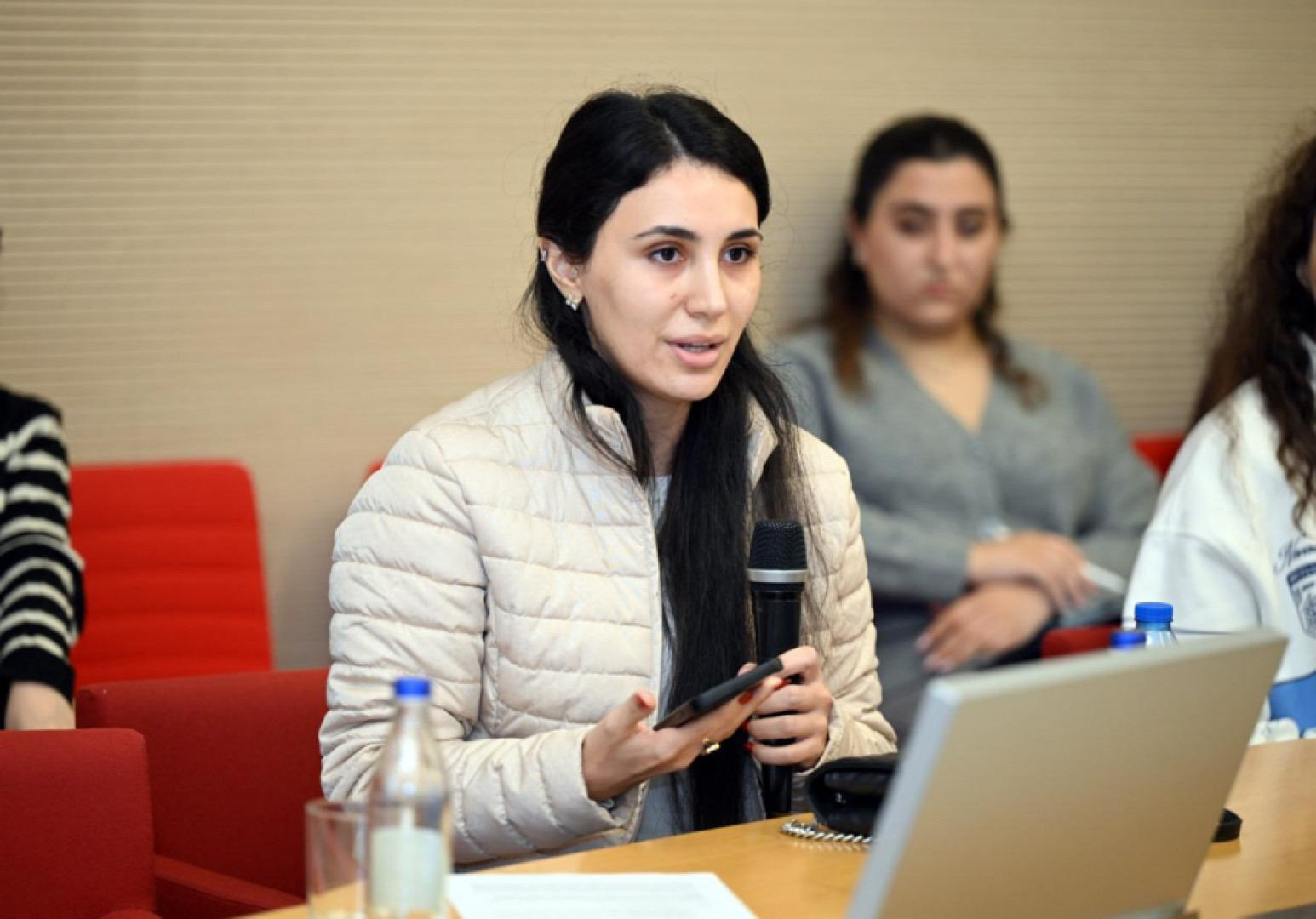
2024-10-31On 31 October, a conference on “COP29 and Culture: Cultural Dimensions of Climate Change” was held at ADA University.
According to the Ministry of Culture, the conference aimed to explore the relationship between culture and climate change and highlight how cultural practices and traditions affect environmental change.
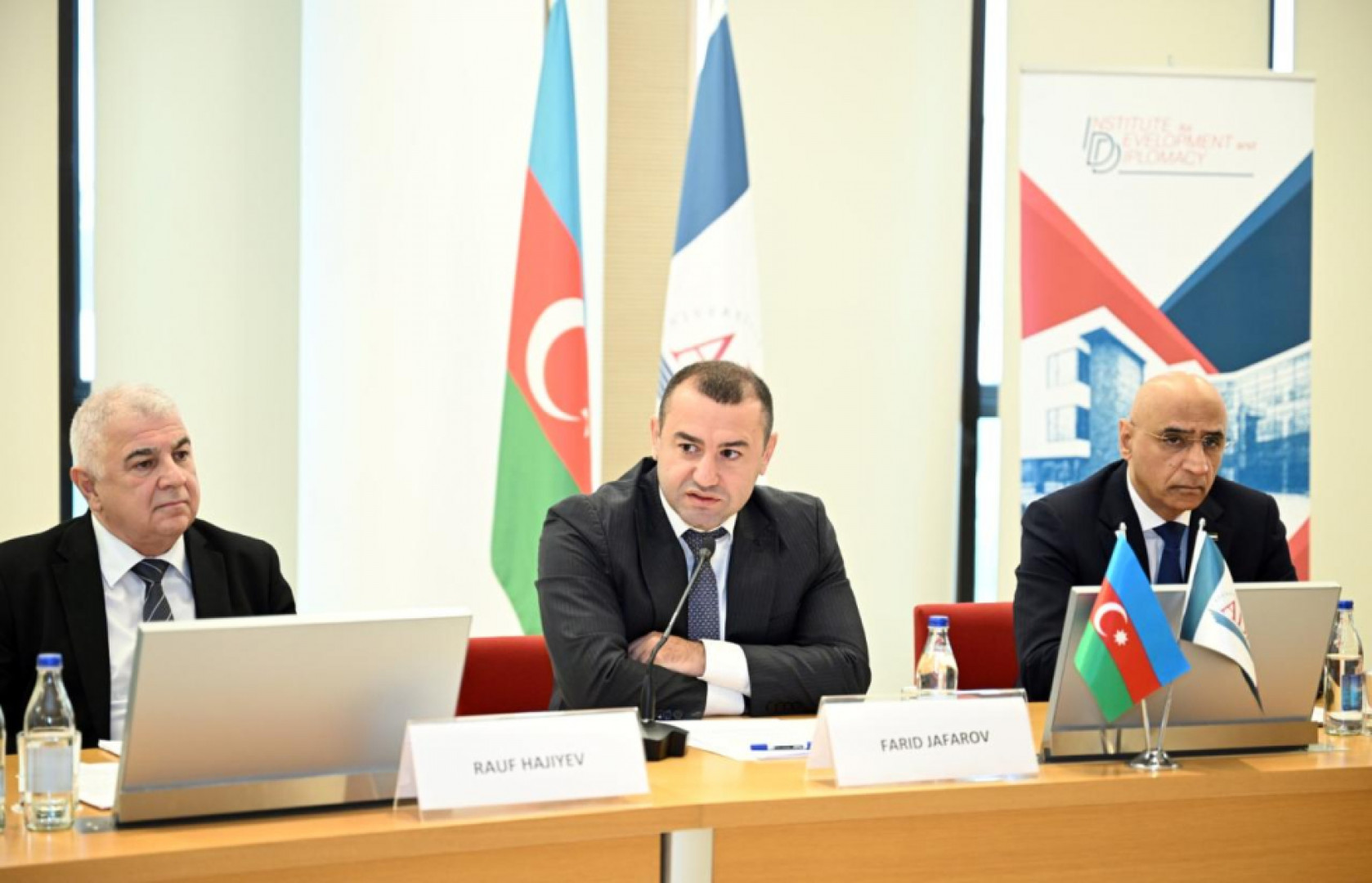
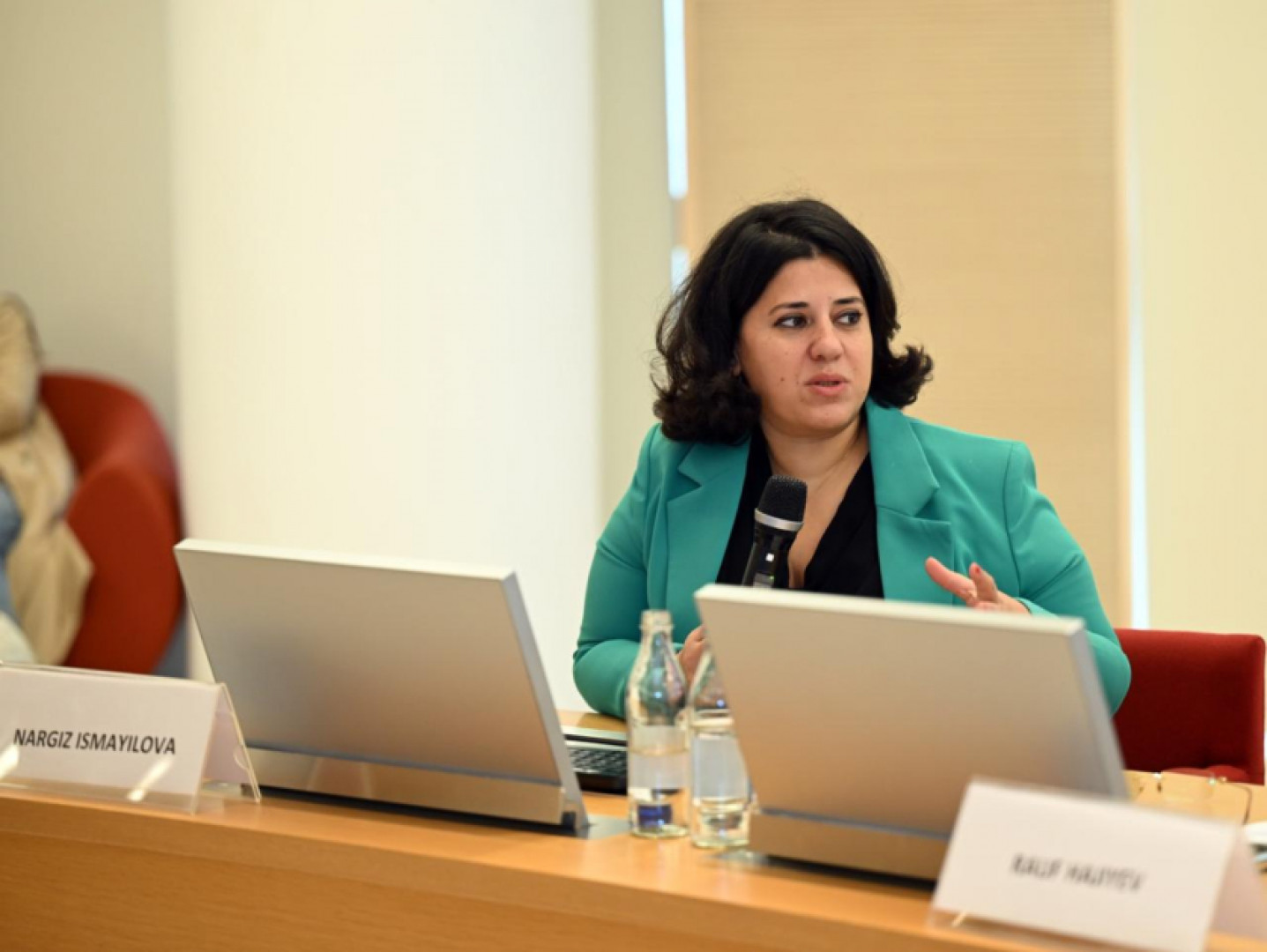
Speaking at the conference, moderated by Nargiz Ismayilova, Head of Professional Development Programs at ADA University’s Institute for Development and Diplomacy, Deputy Minister of Culture Farid Jafarov said that Azerbaijan remains committed to the environmental agenda at both the national and international levels. It was noted that, by Order of President Ilham Aliyev, 2024 was declared the “Year of Solidarity for a Green World” in Azerbaijan. “This step demonstrates our determination to make COP29 an impactful event that promotes sustainable development and a green future for all. At the same time, Azerbaijan remains committed to advancing intercultural dialogue at the international level through the ‘Baku Process’, initiated by President Ilham Aliyev in 2008. “The relationship between climate and culture was addressed at the 6th World Forum on Intercultural Dialogue, held in Baku in May this year. This also raised awareness of the impact of climate change on cultural heritage. Today, this initiative is spreading globally, and more countries are interested in supporting it. “We believe that culture has the power to shape a positive climate agenda. In this regard, Azerbaijan is pleased to launch the Culture for Climate (C4C) initiative at COP29. C4C seeks to make culture a prominent force for positive climate action by highlighting how traditions, arts and heritage can foster sustainable practices and values.”
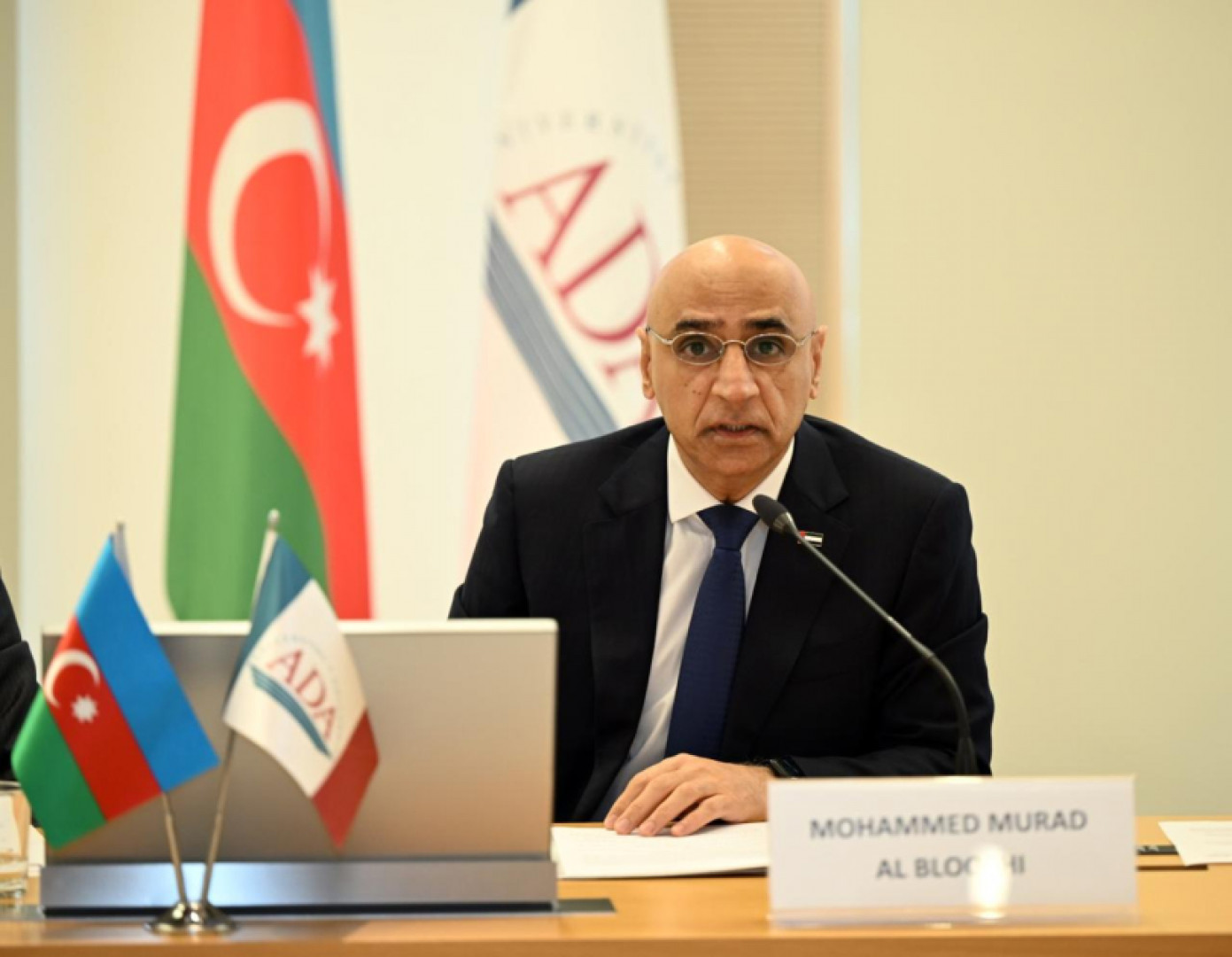
It was recalled that, in support of the C4C initiative, a presentation was held at UNESCO Headquarters on 8 October on Azerbaijan’s culture-related activities to be implemented during COP29. The event demonstrated how C4C can serve as a focal point for promoting climate-positive cultural activities on a global scale.
In his speech, Farid Jafarov called on young people to actively engage in climate initiatives: “Your ideas, creativity and enthusiasm are extremely important. Whether you are seeking environmental solutions through art, science or community projects, your voice matters greatly on this journey towards a sustainable future. During COP29, Azerbaijan’s cultural institutions, including museums, theatres and other venues, will incorporate a climate-focused agenda. Together, we are ensuring that our entire cultural landscape reflects our commitment to a greener future. “We have an opportunity to harness the power of culture to promote new values that protect our planet in the face of the climate crisis. This is also a responsibility. Let us continue building a future in which culture leads the way in inspiring a positive climate agenda, and let each of us be part of this transformative journey.”
A video was subsequently screened on the topic.
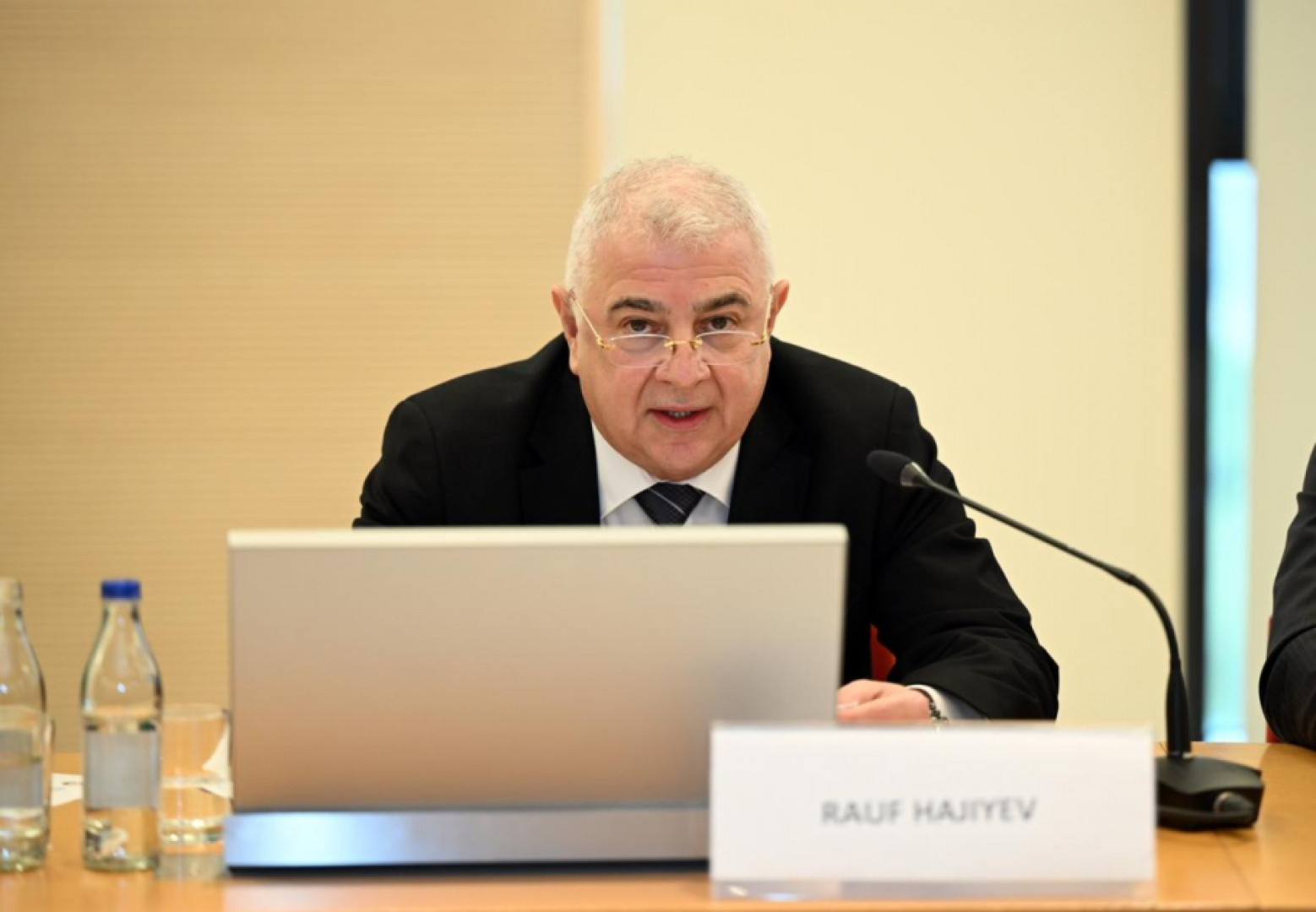
Deputy Minister of Ecology and Natural Resources Rauf Hajiyev said that the number of natural disasters worldwide linked to the effects of climate change has increased significantly in recent years. This has negatively affected not only human health, wildlife, agriculture, industry, and other sectors, but also cultural and natural heritage. “As a reliable and responsible member of the international community, our country attaches great importance to addressing global challenges related to climate change and is taking practical steps in this direction. Azerbaijan has implemented several measures to mitigate the effects of climate change, including increasing the use of renewable energy sources and developing more efficient green technologies. Nearly 4 million trees were planted across the country in 2023 alone, while the target for the current year is to plant 5 million trees.”
It was noted that, in accordance with the document “Azerbaijan 2030: From the Sustainable Development Goals to National Priorities for Socio-Economic Development,” significant work is underway to restore infrastructure and develop smart infrastructure in the territories liberated from occupation. Projects to establish a green energy zone, as well as “smart city” and “smart village” projects, are being implemented in these areas.
Rauf Hajiyev emphasized that this year the international community has also focused attention on Azerbaijan, particularly on its efforts to protect the environment and address climate change. Azerbaijan’s selection to host the 29th session of the Conference of the Parties to the UN Framework Convention on Climate Change (COP29) was described as another indication of the high level of trust and confidence placed in the country, as well as a result of successful cooperation established with international organizations.
It was highlighted that climate finance is one of the key topics of COP29. Intensive negotiations are underway with various countries, organizations, academic institutions, and non-governmental organizations to reach an agreement on climate finance within the global climate agenda and to strengthen global solidarity on climate change. Efforts are underway to identify possible solutions that would contribute to a successful outcome of COP29.
Other speakers shared their views on strategies for integrating cultural perspectives into climate action.
The conference concluded with a Q&A session.